Understanding the Importance of Spa Ads in 2025
In an ever-evolving wellness landscape, the significance of Spa Ads cannot be understated. Advertisements for spas not only serve as a marketing tool but also play a crucial role in establishing a brand's identity and connecting with potential clients. As we progress through 2025, effective advertising becomes more vital than ever, especially amidst the increasing competition in the wellness industry. This article delves into the multifaceted roles that advertising plays in the success of spas and highlights current trends and strategies that can elevate a spa's promotional efforts.
The Role of Effective Advertising in Spa Success
Effective advertising is a cornerstone of success in the spa industry. It serves multiple functions, from creating awareness to driving bookings and building brand loyalty. A well-crafted advertisement not only conveys services offered but also evokes the emotions associated with relaxation and rejuvenation. To reach potential clients, spas must leverage both traditional and digital platforms, ensuring that their message resonates with the target audience. Successful ads often include stunning visuals, compelling copy, and clear calls to action, all working together to compel viewers to take immediate steps toward booking an appointment.
Current Trends Influencing Spa Advertising
- Social Media Engagement: Platforms like Instagram and Facebook have become essential for showcasing spa treatments and amenities through engaging visuals and interactive content.
- Personalized Marketing: Tailoring ads to the preferences and behaviors of individual clients can significantly enhance engagement and conversion rates.
- Sustainability and Wellness Trends: Advertising messages that emphasize eco-friendly practices and holistic wellness resonate well with conscious consumers.
- Video Content: Utilizing video to demonstrate treatments, share client testimonials, and provide virtual tours of the spa can captivate potential clients.
Identifying Your Target Audience for Spa Ads
Understanding your target audience is paramount for creating effective spa advertisements. Demographic factors such as age, gender, location, and lifestyle habits play a crucial role in identifying who your ideal clients are. For instance, younger audiences may respond better to social media campaigns featuring vibrant imagery and interactive content, while older clients might prefer more traditional forms of advertising that emphasize professionalism and reliability. Conducting market research and utilizing customer feedback helps tailor ads to meet the specific needs and preferences of different audience segments.
Creating Visually Stunning Spa Ads
Choosing the Right Imagery and Context
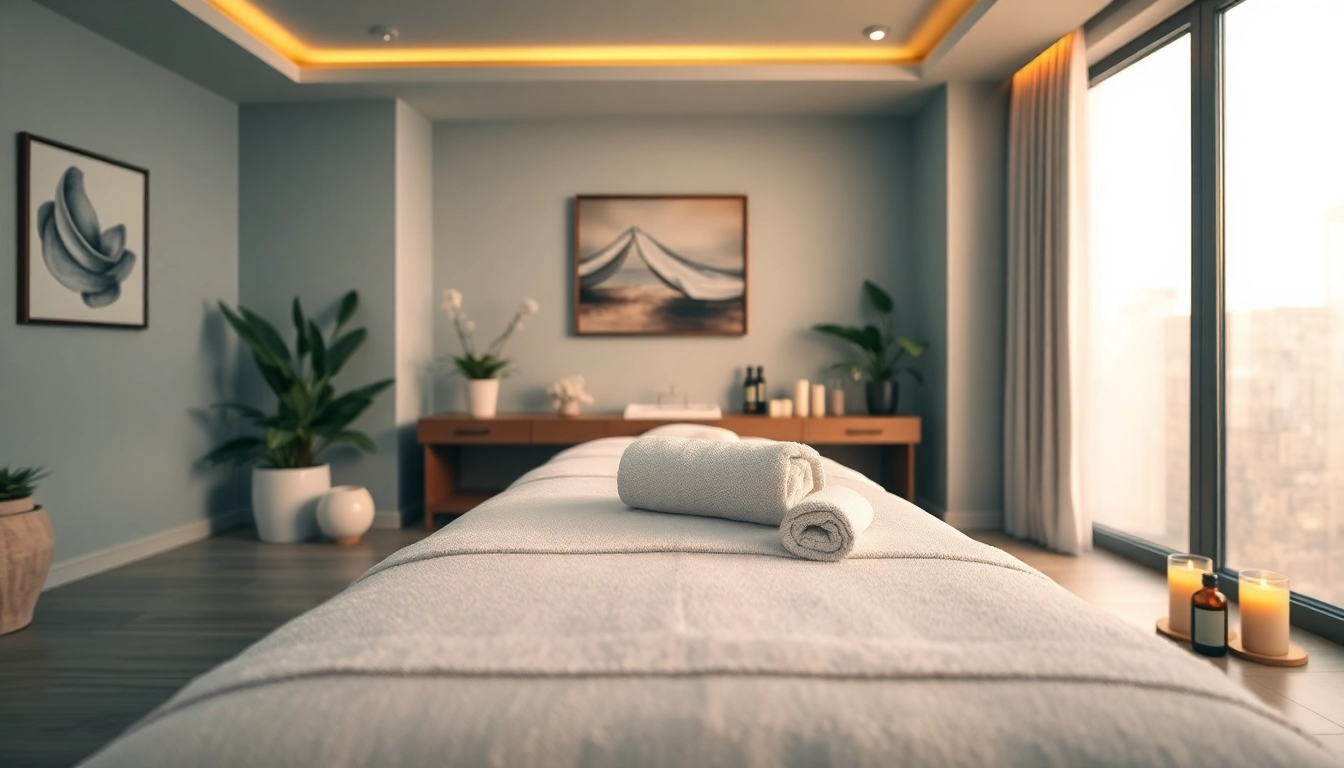
The visual components of spa ads significantly influence potential clients' perceptions and decisions. High-quality images that showcase serene environments, luxurious treatments, and happy clients can create an immediate sense of attraction. Context also matters; it’s essential to relate imagery to the services offered, ensuring that potential clients can visualize their experience. Using images of actual clients undergoing treatments can enhance authenticity, fostering trust and credibility.
Utilizing Color Psychology in Spa Advertising
Color plays a vital role in how an advertisement is received. In spa advertising, colors like soft blues, gentle greens, and calming neutrals evoke feelings of relaxation and tranquility. Understanding color psychology enables spas to develop ads that not only attract attention but also elicit the desired emotional response. For example, blue tones can communicate trust and serenity, while earthy tones can emphasize wellness and natural beauty.
Incorporating Client Testimonials into Your Ads
Testimonials from satisfied clients provide social proof and can significantly enhance the effectiveness of spa ads. Including real stories and reviews gives credibility to the advertised services, encouraging potential clients to make bookings. Testimonials can be featured in various formats, such as quotes overlaying images, video snippets, or even as part of social media campaigns. Ensuring that these testimonials are relatable and authentic can greatly influence conversion rates.
Digital Marketing Strategies for Spa Ads
Leveraging Social Media for Spa Promotion
Social media platforms are invaluable for promoting spa services and engaging with clients. Regularly posting content that highlights treatments, special promotions, and spa events can keep your audience informed and entertained. Engaging with followers through comments and direct messages further enhances the relationship, making clients feel valued and appreciated. Additionally, utilizing social media advertising features allows spas to target specific demographics and reach a broader audience effectively.
Using SEO Techniques to Enhance Spa Ad Visibility
To ensure that spa ads reach their target audience, employing search engine optimization (SEO) techniques is crucial. This involves incorporating relevant keywords throughout website content, blog posts, and advertisements. Creating high-quality, informative content that answers potential clients’ questions can improve the spa's visibility on search engines. Local SEO is particularly significant for spas, as many customers look for nearby options; optimizing Google My Business listings can drive traffic to the spa.
Paid Advertising Strategies and Platforms for Spas
Paid advertising can provide immediate visibility and attract potential clients actively seeking spa services. Platforms such as Google Ads, Facebook Ads, and Instagram Ads allow for precise targeting based on interests, demographics, and behaviors. Creating compelling ad copy alongside striking images is essential; incorporating limited-time offers or discounted packages can incentivize immediate bookings. Additionally, monitoring campaign performance helps refine strategies to maximize return on investment (ROI).
Measuring the Effectiveness of Your Spa Ads
Key Performance Indicators for Spa Advertising
To evaluate the success of spa advertisements, it’s important to track key performance indicators (KPIs). These may include metrics such as click-through rates (CTR), conversion rates, and return on ad spend (ROAS). Analyzing these metrics helps determine which advertising strategies are working and where adjustments are needed. For spas, focusing on metrics that reflect client engagement and appointment bookings is crucial in assessing the overall effectiveness of advertising efforts.
Tools to Track and Analyze Ad Performance
Utilizing analytical tools enhances the ability to assess the performance of spa ads accurately. Google Analytics, Facebook Insights, and other marketing analytics platforms provide in-depth data on user interactions, behavior, and conversion tracking. Setting up conversion goals within these tools allows spas to measure how effectively their ads translate into bookings. Regularly reviewing this data can help refine strategies, ensuring ongoing optimization of ad campaigns.
Adjusting Your Strategy Based on Analytics
Data-driven decision-making is essential for continuous improvement in spa advertising. Based on analytics, spas may need to adjust ad content, targeting, or budget allocation to enhance performance. For example, if certain ads are underperforming, reviewing the visuals, messaging, and target demographics can identify potential weaknesses. Flexibility and responsiveness to consumer behavior data ensure that advertising strategies remain relevant and effective in attracting clients.
Future Trends in Spa Advertising
Emerging Technologies Impacting Spa Advertising
As technology continues to evolve, so too does its impact on advertising. The rise of artificial intelligence (AI) and machine learning provides opportunities for spas to personalize marketing efforts further. AI can analyze consumer behavior to predict preferences, optimizing ad placements and content. Additionally, augmented reality (AR) can enhance user experience by allowing potential clients to visualize spa treatments virtually, providing another layer of engagement and excitement.
Sustainability and Ethical Marketing in Spa Ads
In an era where consumers value transparency and ethical practices, spas must prioritize sustainability in their advertising strategies. Highlighting eco-friendly products and practices in advertisements can resonate with a growing demographic that prioritizes environmental consciousness. Developing campaigns that emphasize community involvement and ethical sourcing can also foster deeper connections with potential clients.
Preparing for Changes in Consumer Behavior Post-2025
The post-2025 landscape will likely see shifts in consumer behavior, influenced by evolving societal norms and technological advancements. Spas should stay ahead of these trends by regularly researching market conditions and consumer preferences. Understanding that clients may increasingly seek holistic wellness experiences rather than isolated treatments can influence how spas structure their offerings and advertising strategies moving forward. Adapting to these changes will be essential for maintaining relevance and competitive advantage in the wellness industry.