Understanding Sports Broadcasting
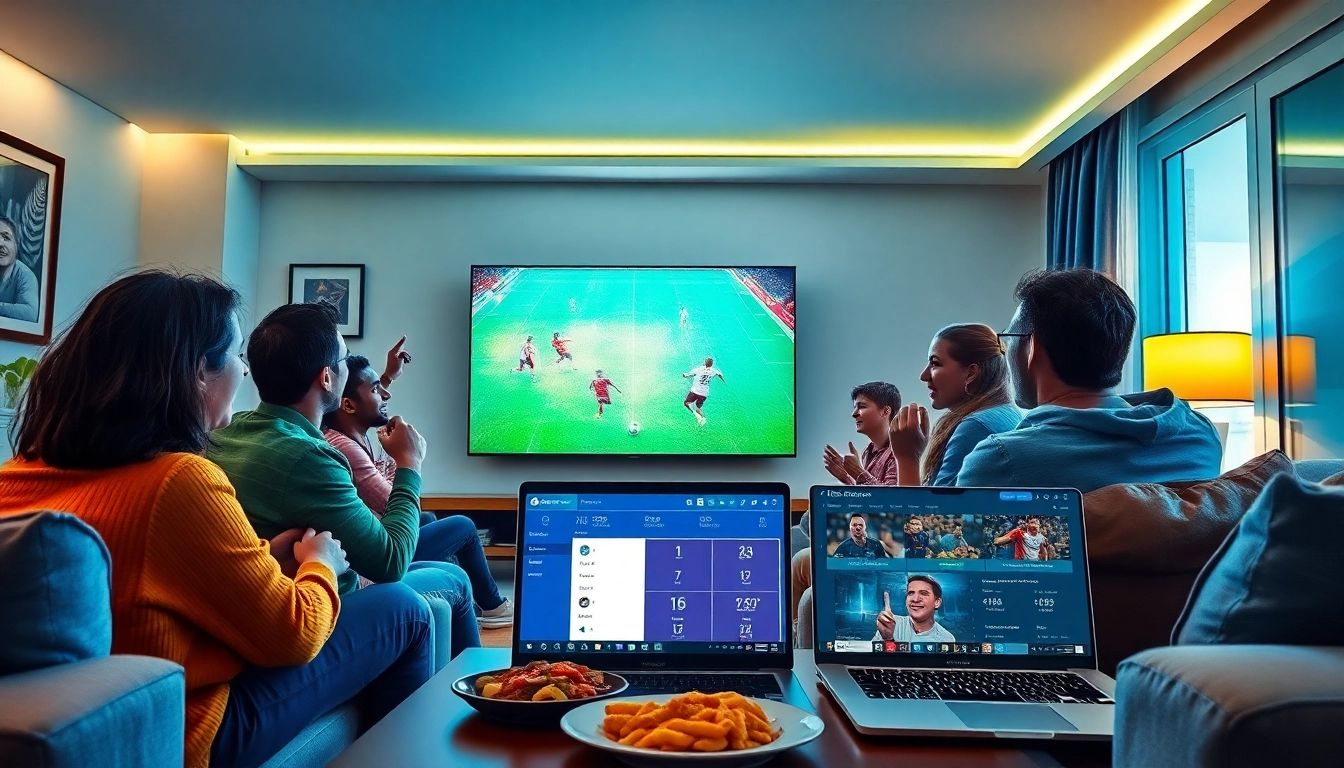
Sports broadcasting has become a fundamental pillar of both the sports industry and media outlets, transforming the way audiences experience their favorite games and events. This global phenomenon combines entertainment, analysis, technology, and marketing to engage millions. Sports Broadcasting encompasses everything from live game coverage to behind-the-scenes insights that inform and excite fans. This comprehensive overview dives into the history, essential components, strategies, challenges, and future trends shaping the sports broadcasting landscape.
History and Evolution of Sports Broadcasting
The origins of sports broadcasting can be traced back to the early 20th century, with radio pioneers experimenting with live sports commentary. By the 1920s, radio broadcasts of major sporting events, such as baseball games, captivated audiences, paving the way for the modern era of sports media.
The advent of television in the 1950s revolutionized the industry, introducing a visual element that significantly enhanced viewer engagement. Iconic moments, such as the 1958 NFL Championship Game, showcased the power of televised sports, leading to long-term broadcasting contracts and the establishment of dedicated sports networks.
In recent decades, the rise of the internet has further transformed sports broadcasting. The introduction of streaming services enabled a shift from traditional cable broadcasting to online platforms, allowing fans to access content anytime, anywhere. Today, innovations in technology continue to reshape how sports are produced, delivered, and consumed.
Key Players in the Sports Broadcasting Industry
The sports broadcasting landscape is populated by a diverse array of key players, including major networks, sports leagues, advertisers, and digital platforms. Established networks like ESPN and NBC Sports leverage extensive resources to provide comprehensive coverage of various sporting events.
Sports leagues, such as the NFL, NBA, and MLB, not only negotiate lucrative broadcasting deals but also increasingly create their own media channels to connect directly with fans. Furthermore, online platforms such as YouTube and Twitch are emerging as significant players, attracting younger demographics and utilizing innovative approaches to sports content distribution.
Lastly, advertisers play a crucial role in sports broadcasting, providing the financial support that allows networks to invest in high-quality content. In an era where targeted advertising is becoming more sophisticated, finding effective ways to engage audiences has never been more vital.
The Role of Technology in Sports Broadcasting
Technology is at the forefront of transforming sports broadcasting. High-definition (HD) and 4K video provide viewers with a visually stunning experience, while slow-motion replays and enhanced graphics shed light on the nuances of gameplay.
Furthermore, statistical analysis and data-driven insights have become normalized within broadcasts, offering audiences an informed perspective on player performance and game strategies. Technologies like augmented reality (AR) and virtual reality (VR) are paving the way for immersive viewing experiences that connect fans more intimately with the action on-screen.
Additionally, social media platforms enable real-time engagement during live broadcasts, allowing fans to interact, share, and discuss their thoughts on key moments. As technology continues to evolve, the potential for innovative broadcasting formats remains vast.
Essential Components of Sports Broadcasting
Live Coverage and Commentary
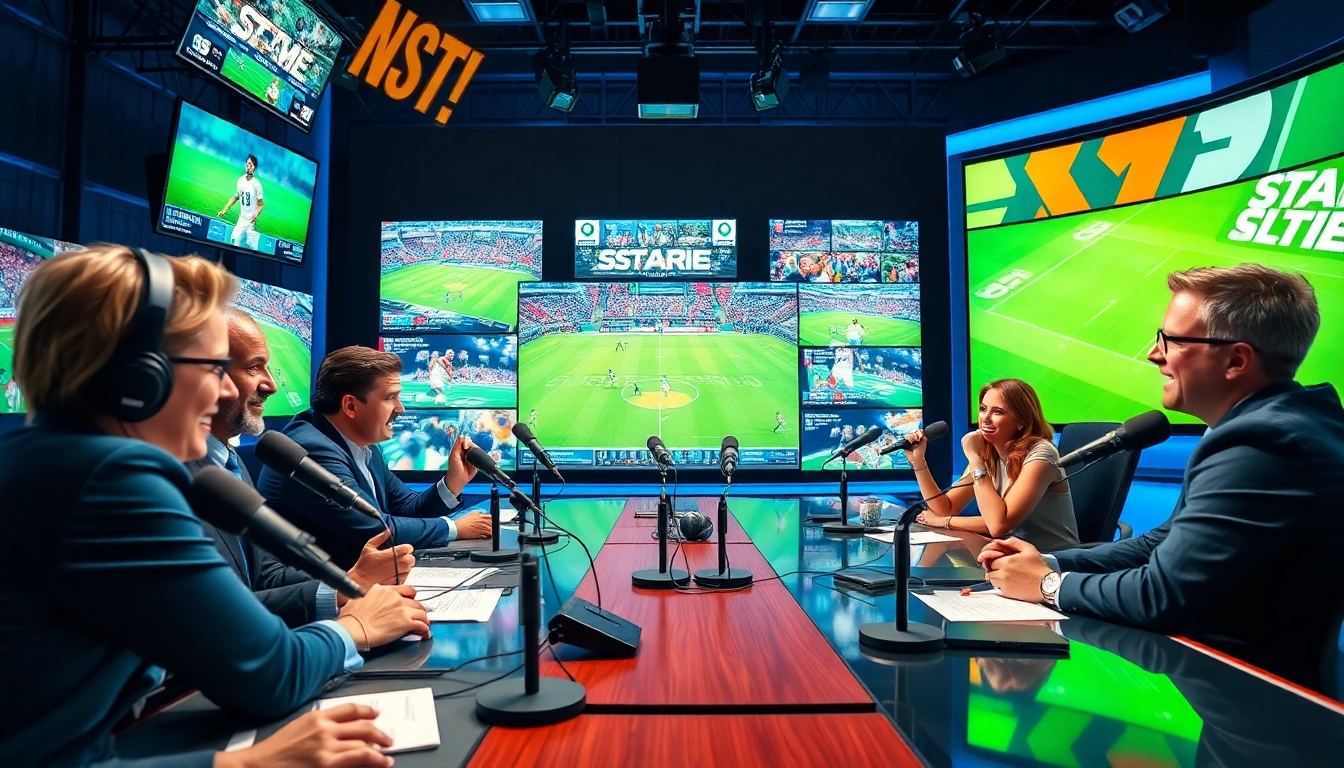
At the heart of sports broadcasting lies live coverage and commentary, which capture the excitement and energy of events as they unfold. Experienced broadcasters have the crucial task of providing context and analysis while relaying the action to audiences.
Effective commentary not only involves describing the play-by-play action but also provides insight into player strategies, coaching decisions, and situational contexts. Successful commentators possess strong communication skills, deep sports knowledge, and a flair for storytelling, engaging viewers and enhancing the experience.
Pre-Game and Post-Game Analysis
Pre-game and post-game segments serve as crucial components, offering context and analysis for fans both before and after the main event. Pre-game shows often feature expert discussions, player interviews, and predictions, helping to set the stage for the competition ahead.
Post-game analysis typically includes high-impact highlights, expert breakdowns of key plays, and discussions about player performances. These segments allow networks to deepen viewer connections, encourage ongoing discussions, and foster community engagement around the sport.
Graphics and Digital Enhancements
Graphics are an essential part of sports broadcasting, as they help communicate complex statistics and enhance the visual appeal of presentations. Advanced graphics technologies are used to display real-time stats, dynamic player profiles, and in-depth game analyses that engage fans further.
Digital enhancements, such as augmented reality overlays, provide audiences a more immersive experience. Incorporating graphics seamlessly into broadcasts can elevate storytelling and allow fans to better understand the nuances of gameplay.
Strategies for Effective Sports Broadcasting
Audience Engagement Techniques
Engaging audiences is imperative for successful sports broadcasting. Techniques such as interactive polls, live social media integration, and viewer shout-outs create a communal experience that resonates with fans.
By involving viewers in discussions about gameplay or allowing them to share their opinions during broadcasts, networks can foster loyalty and encourage sustained viewership throughout entire seasons.
Pacing and Flow Management
Pacing and flow management are crucial to maintaining audience interest during broadcasts. Balancing game coverage with commentary, analysis, and entertainment is essential for keeping viewers engaged. Broadcasters should strive for a dynamic tempo that aligns with the excitement of the event while allowing time for important analysis and discussion.
Ultimately, understanding the rhythm of the game and its moments of intensity can guide broadcasters in creating a memorable viewing experience.
Content Creation for Multiple Platforms
Sports broadcasting all but demands a multipronged content strategy to reach diverse audiences. Creating tailored content for various platforms—television, social media, and streaming services—ensures a broad reach while catering to unique viewer preferences.
Platforms like Instagram or TikTok offer opportunities for short, impactful highlights, while YouTube can host longer analytical videos that dive deeper into game strategies. A cohesive strategy that aligns content across channels can maximize viewership and engagement.
Challenges in Sports Broadcasting
Addressing Technical Difficulties
Technical difficulties can disrupt broadcasts and negatively impact viewer experiences. From equipment failures to internet outages, it’s imperative for broadcasters to have contingency plans in place. Investing in reliable technology, comprehensive training for staff, and having backup systems can significantly mitigate risks.
Moreover, establishing clear communication protocols among the production team is essential to quickly resolve any issues that arise during live broadcasts.
Regulatory Considerations
Regulatory considerations are a critical aspect of sports broadcasting that must be navigated carefully. Legal compliance related to broadcasting rights, content restrictions, and licensing agreements is necessary to avoid potential legal challenges. Ensuring all broadcasts adhere to relevant guidelines is essential for maintaining a reputable and sustainable broadcasting operation.
Additionally, understanding international broadcasting laws is vital for networks that cover global events, as regulations can vary significantly across countries.
Maintaining Viewer Interest
With an abundance of entertainment options available, maintaining viewer interest is a constant challenge for sports broadcasters. Continuous innovation is key—incorporating engaging segments, unique storytelling approaches, and high production quality can help capture and retain audiences.
Moreover, staying attuned to audience feedback and preferences can provide insights into what resonates, enabling broadcasters to adapt their strategies accordingly.
Future Trends in Sports Broadcasting
The Impact of Streaming Services
The rise of streaming services has profoundly affected the sports broadcasting landscape. Platforms like Netflix and Amazon Prime increasingly venture into live sports, offering content directly to viewers while disrupting traditional broadcasting models.
This shift encourages competition among networks, pushing for innovative approaches and flexible access models that can cater to consumers’ changing viewing habits. Future trends will likely see sports leagues negotiating directly with streaming services seeking exclusive broadcasting rights.
Embracing Virtual Reality and Augmented Reality
As VR and AR technologies advance, the potential for revolutionary changes in sports broadcasting is enormous. These technologies can enhance viewer engagement, providing immersive experiences that transport fans closer to the action than ever before.
Future broadcasts might include interactive elements allowing viewers to choose camera angles or participate in virtual experiences alongside live events, fundamentally altering how sports are consumed.
Data Analytics in Sports Broadcasting
The increasing reliance on data analytics offers broadcasters a powerful tool for delivering deeply analytical content to audiences. By utilizing advanced metrics, broadcasters can provide fans with insights that go beyond traditional stats, catering to a more informed viewer base.
Leveraging data in broadcasts can enhance storytelling and create compelling narratives that resonate with viewers, maintaining interest and encouraging deeper engagement.
Frequently Asked Questions
What is sports broadcasting?
Sports broadcasting refers to the live or recorded transmission of sports events through various media formats, including television, radio, and online streaming platforms.
How did sports broadcasting begin?
Sports broadcasting began in the early 20th century with radio broadcasts, later evolving into television coverage that made significant advancements in the 1950s.
What role does technology play in sports broadcasting?
Technology enhances the sports broadcasting experience through high-definition visuals, advanced graphics, and data analytics, improving viewer engagement and entertainment.
What challenges do sports broadcasters face?
Challenges include technical difficulties, regulatory compliance issues, and maintaining viewer interest amid diverse entertainment options available.
What are the future trends in sports broadcasting?
Future trends include the impact of streaming services, the embrace of virtual reality, augmented reality innovations, and the increasing use of data analytics to enhance viewer experiences.