
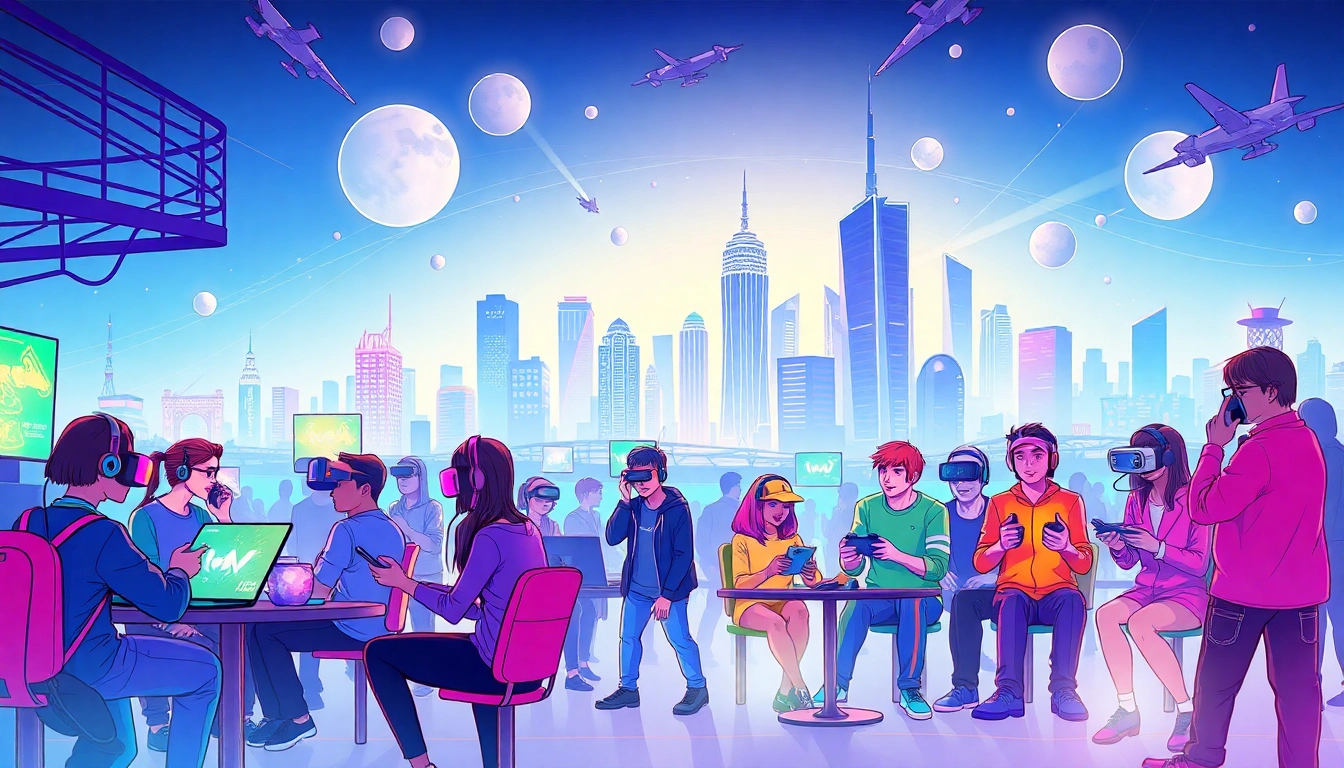
Understanding Industry Trends Shaping Gaming Today
What are Industry Trends in Gaming?
The gaming industry is constantly evolving, driven by new technologies, player preferences, and broader societal trends. Industry trends in gaming refer to the patterns and changes that shape how games are developed, marketed, and consumed. These trends can encompass a wide array of factors, including technological advancements, shifts in user demographics, and changes in consumer behavior. Understanding these trends is essential for stakeholders in the gaming ecosystem to innovate, engage users, and maintain a competitive edge.
Historical Context: Evolving Market Dynamics
The history of gaming is marked by significant transformations, from humble beginnings in arcades to the widespread accessibility of online gaming today. Each decade has brought new technologies that have reshaped the landscape. The late 1970s and 1980s saw the rise of video game consoles, while the 1990s introduced the internet into gaming, leading to multiplayer experiences and online communities. The 2000s saw the emergence of mobile gaming, fundamentally altering how games were played and distributed. Most recently, cloud gaming and the advent of virtual reality (VR) have revolutionized user experiences. Understanding this historical trajectory helps to illuminate current industry trends and forecast future developments.
Key Technological Advancements
Technological innovation is at the heart of gaming industry trends. Key advancements include:
- Virtual Reality (VR) and Augmented Reality (AR): These immersive technologies are enhancing gameplay by providing players with a more engaging experience, blurring the lines between the digital and real world.
- Artificial Intelligence (AI): AI is playing a pivotal role in creating realistic non-player characters (NPCs), personalizing gaming experiences, and optimizing game design.
- Cloud Gaming: Services like Google Stadia and NVIDIA GeForce NOW are changing how players access games, allowing for high-quality streaming without the need for powerful hardware.
- Blockchain Technology: This emerging technology is set to transform the gaming world through decentralized gaming platforms, allowing for true ownership of in-game assets.
These advancements not only enhance gameplay but also influence user engagement and retention, paving the way for a more dynamic gaming environment.
Current Industry Trends Impacting User Engagement
Analytics and Data-Driven Decisions
Analytics have become a cornerstone of strategic decision-making in gaming. Companies are harnessing vast amounts of data about player interactions, demographics, and behaviors, enabling them to tailor experiences and enhance engagement. Understanding player preferences allows for the optimization of game development, marketing campaigns, and ongoing user experience enhancements. Successful studios leverage real-time analytics to adjust game features based on player feedback and performance metrics.
Social Gaming: Trends to Watch
Social gaming is on the rise, driven by platforms such as Twitch and Discord, where communities form around games. Multiplayer experiences not only foster competition but also collaboration among players. Trends in this area include:
- Streaming and Content Creation: Gamers are increasingly becoming content creators, sharing their gameplay through live streams, which promotes engagement and community building.
- In-Game Communities: Many games now feature integrated social features, allowing players to form guilds, participate in clans, or engage in cooperative gameplay.
- Cross-Platform Play: As players expect seamless experiences across devices, more games are adopting cross-platform capabilities, enhancing player connectivity.
These elements foster a stronger sense of community and boost user retention as players immerse themselves in shared experiences.
Personalization and User Experience
In a market saturated with options, personalized experiences are crucial for player retention. Trends in personalization encompass:
- Customized Gameplay: Personalized gaming experiences based on player behavior and preferences can significantly enhance engagement. This includes adaptive difficulty levels and tailored content.
- In-Game Economies: Games are incorporating dynamic in-game economies that reflect player preferences, enabling more engaging and rewarding experiences.
- Targeted Marketing: By utilizing data analytics, gaming companies can deliver targeted promotions, increasing conversion rates and fostering loyalty.
Companies that focus on personalization are seeing higher engagement rates and improved customer satisfaction, proving that understanding the player is key to success.
Global Industry Trends: A Comparative Analysis
Regional Variations in Gaming Popularity
Gaming is not a monolithic industry; it varies significantly by region. For instance, the Asian market, particularly China and South Korea, leads in mobile gaming revenue, while North America is known for its dominance in console gaming. Understanding these regional trends is vital for companies aiming to penetrate global markets. Factors such as local culture, economic conditions, and access to technology greatly influence gaming popularity and preferences. Companies looking to expand should tailor their strategies to reflect regional characteristics, ensuring relevance and resonance.
How Culture Influences Gaming Trends
Culture has a profound impact on gaming trends. Different regions respond uniquely to gameplay, narrative style, and even genre preferences. For instance, Western markets may gravitate towards action and adventure genres, while Eastern markets could favor role-playing games (RPGs) with deeply woven narratives. Local customs and traditions can also influence game themes, characters, and even marketing strategies. Companies that successfully integrate cultural elements into their games often see increased player engagement and acceptance in international markets.
Case Studies: Successful Global Brands
Several gaming brands have effectively navigated global trends to achieve massive success:
- Fortnite: Epic Games has capitalized on social interactions, cultural events, and in-game live performances to create a community-driven gaming experience.
- PUBG (PlayerUnknown's Battlegrounds): This game pioneered the battle royale genre and became a global sensation by tapping into competitive gaming trends and community engagement.
- League of Legends: By establishing an esports ecosystem alongside its game, Riot Games has transformed its player base into a thriving global community.
These case studies highlight the importance of understanding demographics, regional goals, and cultural impacts in developing successful gaming strategies.
Challenges in Adapting to Industry Trends
Identifying and Overcoming Common Barriers
As the gaming industry evolves, companies must address various challenges when adapting to new trends. Barriers may include technological limitations, resistance to change, or lack of understanding of emergent trends. To overcome these obstacles, organizations should:
- Invest in training to ensure teams are knowledgeable about new technologies and methodologies.
- Foster a culture of innovation, encouraging team members to experiment with new ideas and explore unconventional solutions.
- Engage in market research to stay ahead of industry trends, ensuring that decisions are informed by actual player needs and preferences.
By actively addressing these challenges, companies can better position themselves to leverage industry trends and succeed in the competitive landscape.
Best Practices for Trend Integration
To effectively integrate industry trends into operations and strategy, companies should consider the following best practices:
- Build Cross-Functional Teams: Collaboration across departments can drive innovation and ensure a comprehensive understanding of market trends.
- Iterative Development: Adopting an agile methodology allows teams to quickly adapt to feedback and emerging trends, remaining responsive to player needs.
- Focus on Community Feedback: Engaging with the gaming community to gather feedback can provide invaluable insights that influence product development and marketing strategies.
Implementing these best practices can significantly enhance a company’s ability to capitalize on current and emerging trends.
Measuring Impact and Engagement
For companies to assess the success of their adaptation to industry trends, it is essential to establish metrics for measuring user engagement and business performance. Key performance indicators (KPIs) may include:
- User Retention Rate: Monitoring how well players are retained over time can provide insights into the effectiveness of personalized experiences.
- Player Engagement Metrics: This includes analyzing session length, frequency of play, and in-game purchases to gauge overall engagement.
- Community Feedback Scores: Regular surveys and feedback loops can help companies understand player satisfaction and areas for improvement.
By effectively measuring these metrics, companies can make data-driven decisions that enhance player experiences and ensure long-term success.
The Future of Gaming: Anticipating Industry Trends
Emerging Technologies: What to Expect
As we look to the future, several emerging technologies are poised to shape the gaming landscape. These include:
- Artificial Intelligence (AI) Advancements: Further advancements in AI will lead to more immersive and adaptive in-game experiences.
- 5G Technology: With the roll-out of 5G, cloud gaming will become faster and more accessible, enabling players to enjoy high-quality gaming anywhere.
- Extended Reality (XR): Combining VR, AR, and mixed reality (MR), XR will offer unprecedented gaming experiences by blending digital and physical worlds.
These technologies have the potential to open up new dimensions of engagement, ensuring that gaming continues to evolve as a vibrant and interactive medium.
Pioneers in the Industry: Influencers Shaping Trends
Several industry leaders are playing pivotal roles in shaping gaming trends. Companies like Epic Games, Riot Games, and Ubisoft have pioneered innovations that redefine player experiences and community interactions. Additionally, influencers and streamers on platforms like Twitch and YouTube are not just entertainers; they are trendsetters influencing how games are developed and marketed. Their ability to reach vast audiences means that they can drive interest in new games and genres, making them essential components of the gaming ecosystem.
Preparing Your Strategy for Future Variations
To stay ahead in the rapidly evolving gaming landscape, companies must remain flexible and agile in their strategies. This encompasses:
- Continuous Learning: Teams should engage in ongoing education about market trends and technological advancements to remain relevant.
- Prototyping and Experimentation: Companies should encourage experimentation with new game concepts and technologies to discover innovative solutions.
- Community Engagement: Building a strong relationship with the gaming community can provide direct insights into player preferences and future trends.
In doing so, companies will not only adapt to shifts in the industry landscape but also actively shape the future of gaming.
The gaming industry is a dynamic and multifaceted landscape, influenced by a myriad of factors ranging from technology to culture. By staying informed about these industry trends, gaming companies can aim to leverage opportunities, overcome challenges, and ultimately provide enhanced experiences to players around the world.